Balanced eating gets complicated fast—macros, numbers, rules, and a growing sense that you’re doing it wrong. The Color Map Plate is the opposite: a visual checklist that keeps meals satisfying and steady.
Instead of tracking everything, you build a plate with a few reliable elements: color, protein, comfort, and a finishing touch. It works for bowls, sandwiches, soups, and snacks—because it’s about structure, not perfection.
Start with one “color anchor”
Pick one colorful ingredient that makes the meal feel alive: roasted carrots, berries, tomatoes, sautéed greens, shredded purple cabbage, or a bright salsa. This is your anchor—everything else supports it.
Color usually signals a mix of fiber, vitamins, and variety. It also makes meals more appealing, which matters more than people admit. If it looks good, you’re more likely to eat slowly and stop satisfied.
Add a protein you won’t negotiate with
Choose a protein that feels easy today: eggs, yogurt, tofu, chicken, lentils, tuna, or beans. The “won’t negotiate” part is important—if you don’t like it, you’ll skip it and get hungry later.
A small amount is enough when the plate is built well. Think: a palm‑sized portion, or a scoop in a bowl. The goal is steadier energy, not a protein competition.
Bring in comfort (yes, comfort)
Meals stick when they feel comforting. Add a satisfying carb or a cozy base: rice, potatoes, oats, bread, pasta, or fruit. The trick is pairing it with fiber and protein so it lands softly.
If you’re active or walking a lot, don’t fear carbs—use them on purpose. If you’re less active, keep the portion modest and increase the “color anchor.”
Finish with texture + brightness
A finishing touch is what makes a “healthy” meal feel like a real meal: toasted seeds, crushed nuts, herbs, a squeeze of lemon, vinegar, chili flakes, or a drizzle of olive oil.
Texture helps satisfaction. Brightness helps you want the meal again. Together they turn the plate into something you don’t need willpower to repeat.
A quick example (no measuring)
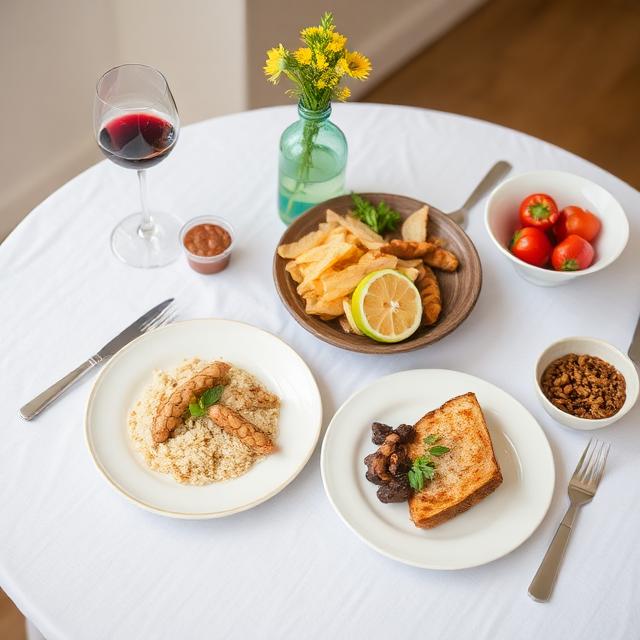
Bowl: roasted sweet potato (color anchor) + black beans (protein) + quinoa (comfort) + lime + cilantro + pumpkin seeds (finish).
Plate: sliced tomatoes (color anchor) + eggs (protein) + toast (comfort) + olive oil + salt + basil (finish).
If you only do one thing this week…
Choose one color anchor you love and build three meals around it. Repetition is a feature. Once the structure is automatic, variety becomes fun instead of stressful.